
A great live performance can turn casual listeners into lifelong fans—but a bad one can lose them in minutes.
If you want to level up your gigs, these 15 essential tips will help you deliver unforgettable shows and keep audiences coming back for more.
Learning how to perform well on stage is one of the most important skills any musician can develop, whether you're playing small local gigs or larger live shows.
Table of Contents
- 1. Master Your Material for a Strong Live Performance
- 2. Choose the Right Venues for Your Gigs
- 3. Promote Your Gig to Build an Audience
- 4. Choose the Right Setlist for Your Audience
- 5. Soundcheck Properly for a Better Live Sound
- 6. Don’t Play Too Loud on Stage
- 7. Use Visuals to Enhance Your Live Performance
- 8. Avoid Drinking Before You Perform on Stage
- 9. Prepare for Technical Issues During Live Performances
- 10. Win the Crowd in the First Minute of Your Performance
- 11. Improve Your Stage Presence and Energy
- 12. Connect with Your Audience During a Live Show
- 13. Embrace Mistakes and Improvise
- 14. Talk to Fans After Your Performance
- 15. Play More Gigs to Improve Your Live Performance Skills
1. Master Your Material for a Strong Live Performance
The key to a successful live performance is thorough preparation and rehearsal. Practice your songs until they become second nature to you and your bandmates. This will enhance your performance and boost your confidence on stage. You don't want to be worrying about a song you don't know off by heart. Your anxiety will increase and stop you from enjoying the moment.
So how much practice is enough? Well, there’s no point going over and over songs if you know them all backwards. As a band, you do need to sound tight and together. You want to be able to play your entire set list without having to think about where you are in a song and what comes next. This frees your mind to concentrate on delivering your best possible performance.
2. Choose the Right Venues for Your Gigs
Everyone wants to play bigger venues but you’ve got to be realistic. If you convince a large venue to let you play, telling them you’ll sell hundreds of tickets when in reality only fifty people show up, that venue will lose money and will probably never let you play there again. On top of that, the gig will have no atmosphere. Fifty people in a room big enough for hundreds is not a good look.
Now imagine those fifty people filling a smaller room. The venue owners are over the moon, a packed house. On top of that, the place is buzzing and as a band you give the impression you’re going places.
In short, a smaller packed venue is far better than overreaching and playing to a huge almost empty room. Go for the bigger venues when you’re ready.
3. Promote Your Gig to Build an Audience
People want to see great bands over and over. Take advantage of your website, mailing lists and social media to make sure fans know where you're playing next. Your website should display all your upcoming gigs clearly showing the venue and location. Your mailing list should also contain this information. You should be able to message only the subscribers that are in the area of the gig. Promote your next couple of gigs across your social media.
Sticking up a few posters at the venue is a no brainer. Add the band name, some imagery, the genre and songs if you're a covers act.
For more detailed information, see our blog on promoting your gigs.
4. Choose the Right Setlist for Your Audience
I was in a rock covers band for some time. Although we stuck mainly to rock, we also dabbled with soft rock and metal. Some venues were clearly not interested in metal. These tended to be places where people liked to dance more to well known hits. Other venues were known for heavier music so we ditched the soft rock and played more metal.
Whatever type of band you’re in, it’s important to gauge the venue and choose a setlist to suit.
If you’re playing somewhere new, check out other bands that have played there to get an idea of the music they're into. Also, speak to the venue to get advice on the clientele.
5. Soundcheck Properly for a Better Live Sound
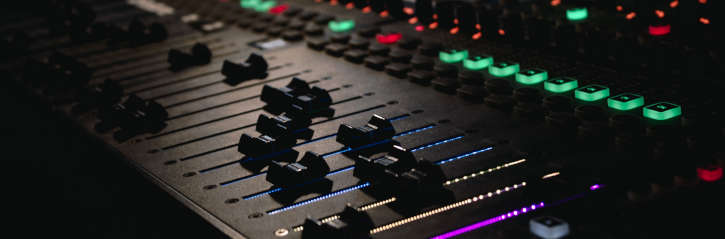
Most local gigs don't benefit from the services of a sound engineer so a flawless soundcheck is essential for delivering a great performance. It's frustrating watching a band when you can't hear half the musicians. Get to the venue well before the gig starts to give plenty of time for setting up and the all important sound check.
To make sure the volume levels of all the musicians are balanced, someone should stand in front of the band where the audience will be to check every musician can be heard. If nobody is available, one of the band members should do this as best they can whilst playing. It's important to remember, once there is an audience, the sound will be different again so keep an eye on sound levels even after you've started playing. Having someone stand in the crowd near the front feeding back on levels is really helpful.
The more prepared you are, the better the show—simple as that.
6. Don’t Play Too Loud on Stage
We’ve all been there—and it's painful. You’re looking forward to seeing a band but when they start playing, it’s so loud you can barely hear any of the individual musicians, just a huge wall of muffled sound. Some people are just there for the energy of the performers but other people start moving to the back of the room or even leaving. The band might be great—but you’d never know it.
The louder it is, the more the sound bounces around the room creating a muffled mess. Some venues are better than others. Generally speaking, rooms that reflect sound, i.e. allow the sound to echo are going to be worse for high volume performances. As the sound bounces around the room, it mixes with new sound coming from the speakers creating that unintelligible noise.
The best way to combat this is to simply turn the volume down a little. It doesn’t mean you have to play quietly but to give the audience the best possible experience, let them hear the music more clearly.
7. Use Visuals to Enhance Your Live Performance
If you watch just about any big band or solo artist, you’ll see how they use the power of their appearance as an integral part of the show. Your look is a visual way to express and honour your message as an artist.
In addition to your personal appearance, think about ways you can use lighting to your advantage and smoke machines. Some bands will display a flat screen at the back of the stage showing the band name and logo along with other imagery.
Experiment with the tools at your disposal to create a visual experience that will captivate the audience before you’ve even played a chord.
8. Avoid Drinking Before You Perform on Stage
When there’s alcohol all over the place, people enjoying themselves while you’re nervously waiting to start a show, it can be very tempting to head over to the bar.
Ultimately though, alcohol will erode your ability to perform. Your playing or singing will become more sloppy with each drink you have.
A better option would be to make a deal with yourself, you’ll enjoy a drink once the show is finished. If you really can’t resist, keep alcohol to a minimum.
9. Prepare for Technical Issues During Live Performances
Ensure that your instruments, microphones, cables and sound equipment are in top condition to avoid any technical glitches. Make sure you have spares on hand as you can bet things will go wrong when you need them most.
Be prepared for any issues. Make sure you know where all your spares are and have a plan you can kick into action should an amp or speaker fail. If you have a confident frontman or woman, perhaps they can tell a quick story or put on a Freddie Mercury style “copy my vocals” performance to keep people entertained whilst backup equipment is brought into action.
Thinking about how to deal with failures will again help relax you knowing you’ve got all bases covered. The more relaxed you are, the better you’ll be able to deliver a knockout performance.
10. Win the Crowd in the First Minute of Your Performance
When you get on that stage, you need to make a statement straight away. The first song should be one of your very best. It’s in the first moments that an audience is going to decide what they think of you. It might be tempting to leave your best songs till last. This is fine for massive bands when everyone knows all their songs, but for everyone else, you need to make an impact quickly to commit people to sticking around for the rest of your show.
11. Improve Your Stage Presence and Energy
The worst thing a band or artist can do is spend the entire show looking at their instruments only to walk off at the end and disappear.
Your stage presence plays a significant role in entertaining your audience.
Work on your body language, movement, and energy level. Use the entire stage to your advantage and don't be afraid to show your passion and enthusiasm for the music you're playing.
Eye contact with audience members will draw them into the show. Practice your stage persona in rehearsal until it becomes second nature. If you show how much you’re genuinely enjoying the music the audience will start to reflect that passion creating a real buzz.
12. Connect with Your Audience During a Live Show
Your job is to build a connection with your audience to turn them into fans. Make the audience part of the show! This is crucial for creating a memorable experience. Connect with the crowd through banter, storytelling, or encouraging sing-alongs.
Many band members these days take advantage of wireless technology to venture off the stage into the audience during the show. Other bands will invite people on stage to try their hand at a song. These are all ways to make the audience part of the show, creating a memorable experience for all involved.
13. Embrace Mistakes and Improvise

No live performance is perfect, and mistakes are bound to happen. It’s important to remember your mistakes will usually go unnoticed by the audience so just move on.
It may seem strange to spend so much time rehearsing to then be so dismissive of mistakes when they occur but that’s exactly what you must do. Dwelling on mistakes is pointless. Instead, embrace them and use them to your advantage. Showmanship comes from being able to adapt and improvise on the spot. Turn a mistake into a creative moment, and your audience will appreciate your authenticity and artistry.
14. Talk to Fans After Your Performance
When the performance is over, or even before or during a break, make time for the people that have stuck around to see you. People are far more likely to become fans if you spare a little time for them. Additionally, they’ll tell their friends about your conversation, further spreading the word.
15. Play More Gigs to Improve Your Live Performance Skills
The more you do something, the better you’ll get at it. This is certainly the case with gigs. Keeping up a regular schedule of shows will grow your confidence and perfect your craft. Before you know it, you’ll become a well-oiled live music machine bringing down the house every time.
Once you’ve perfected gigs, you can move onto larger venues and even consider playing a festival. Not only will you be playing to a bigger crowd, you’ll be performing in front of a whole load of new people helping take you to the next level.
Conclusion
Ultimately, your success as an artist or band will be largely determined by your ability to smash out an amazing performance. By following these fifteen essential tips, you'll be well on your way.
At the end of the day, great live performances aren’t just about playing the right notes—they’re about creating moments people remember.
Put the work in, stay adaptable, and most importantly—enjoy it. That energy is what audiences connect with most.
If you’re looking for more tips like these, Bandonkers is packed with advice, insights, and tools to help you grow—and stand out—as a musician.